

In our previous post, we explored how to overcome initial PM resistance by proving strategic ROI through outcome-driven visibility. Now that you’ve established the value proposition by linking execution to measurable outcomes, the next challenge is driving organic adoption across your organization.
A top risk for agile portfolio leaders is pushing too much organizational change or rolling out too many new features simultaneously, which causes confusion, resistance, and a feeling that the team is “moving too quickly”. Adoption thrives on pull, not push.
The key operational strategy is to avoid immediate, full-scale mandates and instead focus the initial rollout entirely on quick, quantifiable wins that solve specific, high-pain problems for the delivery teams.
How to Generate Organic Demand (Adoption by Pull)
Target Organizational Pain Points for Quick Wins
Identify the major recurring bottlenecks—often cross-team dependencies or resource misalignment—and prioritize views that solve these problems instantaneously.
Capacity Planning Insights: The visualization provided by capacity planning offers immediate, undeniable value. This feature can be an early success, allowing a Key Result owner to use data to demonstrate immediately that their project lacked sufficient engineering support. This data-driven insight led to an immediate organizational adjustment, proving the tool’s power in real-time decision-making.
Actionable Step: Integrate capacity planning views (using Dev Weeks or Story Points) to show Planned Allocation against Reported Scope. Use the Capacity Planning List View to enable scenario planning and instantly highlight resource shortfalls for directors and leads.
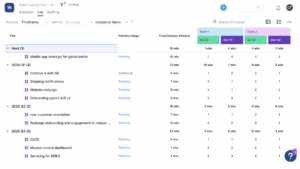
Discover how effective resource planning and allocation drives portfolio success across teams.
Resolve Cross-Team Dependency Challenges
Large, cross-functional initiatives (like architectural refactors) typically require marathon status meetings and complicated tracking. Using dedicated dashboard views to manage these dependencies provides immediate time savings.
Actionable Step: Create dedicated Dashboard views filtered by the relevant Strategic Theme. This dashboard should display a constant, clear progress report (e.g., “33% done“). By showing each contributing team’s progress instantly, the platform eliminates the need for lengthy status meetings.

Learn more strategies for managing roadmap dependencies that stall 90% of product teams.
Leverage Success Stories for Organic Growth
When a tool delivers tangible, time-saving value quickly, teams begin to develop organic demand. This momentum is far more powerful than forced compliance.
Focusing on immediate, high-pain problems drastically accelerated adoption, turning the first monthly planning session into the best roadmap planning. This rapid delivery of tangible value generated organic demand for the tool, making advanced feature rollouts smoother.
Successful pull adoption means you now have clean, live data. But how do you prevent impatient executives from getting “overwhelmed” by too much data? Next, we outline a clear strategy for proactively managing leadership expectations and delivering strategic clarity through phased roadmaps and high-value dashboards.
Change doesn’t succeed through mandates—it succeeds through measurable wins. Transform resistance into momentum with tools your teams will actually want to use. Book a demo today.